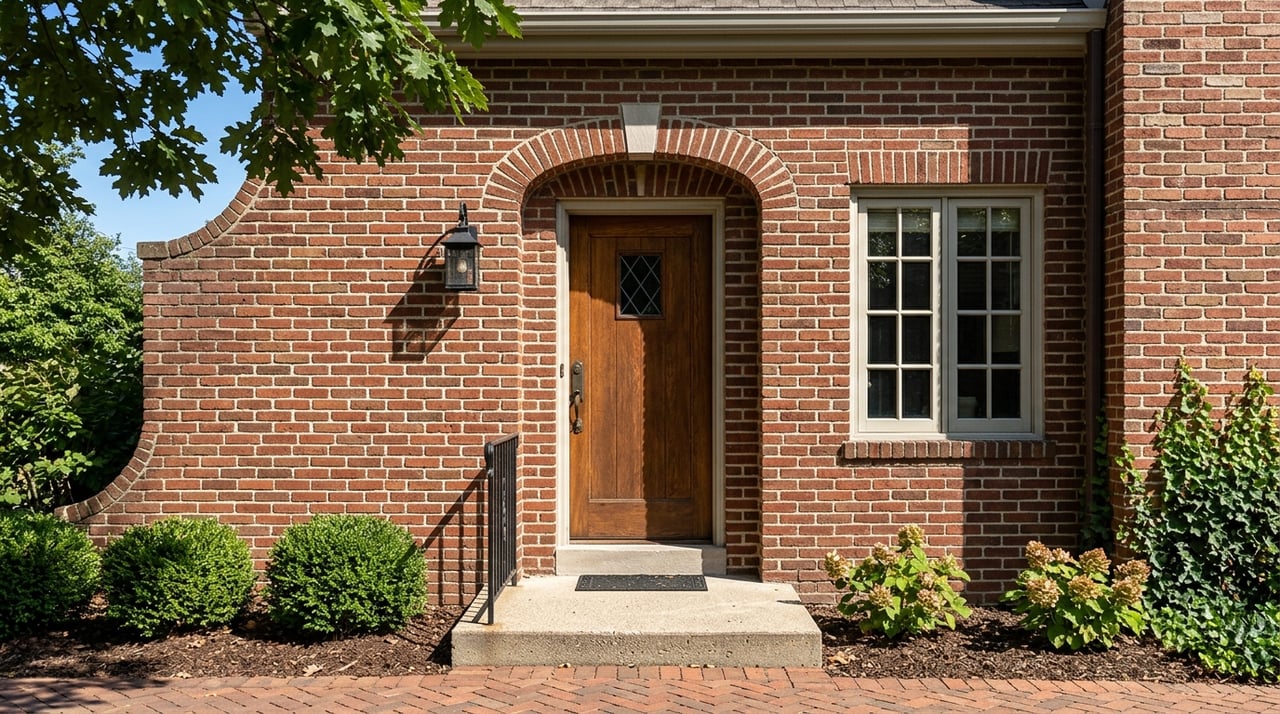
Thinking about buying a historic home in Heritage Hills? It can be exciting, but it also comes with a different set of rules, responsibilities, and surprises than buying a newer property. If you love original architecture and want a home with real character, this guide will help you understand what to expect before you make an offer. Let’s dive in.
Why Heritage Hills Feels Different
Heritage Hills is one of Oklahoma City’s historic neighborhoods, and it holds an important place in the city’s preservation story. Oklahoma City identifies it as the city’s first local historic district, established in 1969, and the area was later listed in the National Register of Historic Places in 1979.
That history shows up in the homes themselves. The National Register nomination describes 362 residences in the district, with about 97% built by 1930. You are not shopping in a neighborhood of repeat floor plans. You are looking at homes with a wide range of architectural styles, materials, and conditions.
Styles in the district include Bungalow, Georgian Revival, Dutch Colonial Revival, Spanish Revival, Neo-Classical Revival, Prairie, and several others. That variety is part of the appeal, but it also means one home may have very different upkeep needs than the next.
What You’re Really Buying
When you buy in Heritage Hills, you are often buying more than square footage and lot size. You are also buying historic details, older materials, and a home that may be subject to preservation standards for exterior work.
That can be a great fit if you value craftsmanship and architectural character. It can be more challenging if you want quick cosmetic changes or major exterior updates right after closing. In this neighborhood, the details matter.
Historic District Rules Matter
One of the biggest differences for buyers is that exterior work in Oklahoma City historic preservation districts generally requires city review. Exterior changes, demolitions, and new construction typically need a Certificate of Approval or Certificate of Appropriateness through the city’s historic preservation process.
The city directs owners to submit a Historic Preservation Application to Planning and a building permit application to Development Services. Depending on the project, review may happen administratively or move to a committee or commission. The process may take weeks to months, and after approval there is a required 10-business-day appeal period before a permit is issued.
That timeline matters if you are planning to replace windows, update a porch, change roofing materials, or make other exterior improvements soon after purchase. A historic home purchase works best when you go in with a realistic schedule and a repair-first mindset.
Exterior Changes Have Specific Limits
Heritage Hills standards are detailed, and buyers should understand that before closing. Some exterior changes that might be common elsewhere are not allowed or are tightly controlled here.
For example, city standards say:
- Rolled roofing is not permitted on pitched roofs
- Roof details, chimneys, porch columns, railings, and steps should be retained
- Brick should not be painted, stuccoed, sandblasted, or cleaned with high-pressure water
- Wood windows should be repaired or replaced with matching windows without reducing the opening size
- Slab doors are prohibited
- Wood siding must be replaced with wood
- Aluminum or vinyl siding is not permitted
- Front porches may only be enclosed with wood frames and screens
- Window air conditioners are not allowed on the front of the primary structure
If you are comparing homes, these standards can affect your future budget and design choices. They can also affect how you evaluate a house that has already been altered.
Ask for Documentation Before Closing
If a home looks updated from the outside, do not assume the work was approved. In this district, that question is especially important because the city code allows after-the-fact review of work completed without authorization.
A smart due diligence step is to ask the seller for documentation of prior exterior work, including certificates and permits if available. This can help you understand whether past updates were handled properly and whether any follow-up may be needed later.
Inspections Need a Historic-Home Mindset
A historic-home appraisal and a home inspection are not the same thing. HUD states that an FHA appraisal is used to determine market value and mortgage acceptability, but buyers should still get an independent detailed home inspection.
That distinction matters in Heritage Hills. An appraisal may support the loan decision, but it does not replace a close look at older systems, materials, and visible signs of deferred maintenance.
Older homes also call for a more specific inspection mindset. In a neighborhood where original materials and historic features matter, buyers should pay close attention to items like wood windows, masonry, porches, roofing details, and areas where repairs may be better than wholesale replacement.
Repair Often Matters More Than Replacement
Both National Park Service guidance and Oklahoma City standards favor repair over replacement for historic features when possible. That is especially relevant for windows and masonry, which are common decision points for buyers after closing.
The National Park Service advises that deteriorated historic features should be repaired rather than replaced when possible. If replacement is necessary, the new feature should match the old in design, color, texture, and, where possible, materials.
For you as a buyer, that means the cheapest fix is not always the best fit for the property or the district standards. It is wise to budget for work by professionals who understand older materials and preservation expectations.
Appraisals Can Be More Nuanced
Appraising a historic home can be more complicated than appraising a newer home in a more uniform neighborhood. Fannie Mae says comparable sales should be similar in site, room count, finished area, style, and condition, and it allows older sales when they are the best indicator of value.
In a place like Heritage Hills, that can mean the appraiser may rely on less recent comparable sales or make more detailed adjustments than they would in a newer subdivision. Fannie Mae also notes that the cost approach may be appropriate for unique or renovated properties, or properties with functional depreciation.
For buyers, the takeaway is simple: unique homes can require more explanation during the appraisal process. That does not mean there is a problem, but it does mean expectations should be realistic.
Lead Paint May Be Part of the Process
Because Heritage Hills includes homes built during the early 1900s through the 1930s, many properties in the district are likely to fall under pre-1978 lead-based paint disclosure rules. EPA says buyers of most housing built before 1978 must receive known lead information before signing, and sellers must provide a 10-day period to test for lead-based paint or related hazards.
If you plan to renovate after closing and the work will disturb lead paint, EPA’s Renovation, Repair and Painting rule requires certified firms and lead-safe work practices for pre-1978 homes. This is one of those older-home realities that is easier to manage when you plan for it early.
Budget for Ongoing Maintenance
Historic homes can be deeply rewarding, but they often come with maintenance needs that are different from newer construction. Heritage Hills buyers should be prepared for costs tied to older materials and preservation-appropriate repairs.
A practical budget should account for:
- Specialist inspections
- Wood-window repair or matching replacement
- Masonry maintenance using appropriate methods
- Roofing details that meet district standards
- Lead-safe renovation practices for pre-1978 homes
This does not mean every house will need major work. It does mean you should look beyond the listing photos and think carefully about long-term stewardship.
Local Resources That May Help
If you plan future repairs, there are a couple of Oklahoma-based resources worth knowing about. Oklahoma City’s Home Exterior Maintenance Program helps eligible owner-occupied city residents with exterior housing concerns that violate minimum property standards and currently offers grants up to $24,000 per house for necessary repairs.
There may also be preservation incentives for qualifying rehabilitation work. The Oklahoma State Historic Preservation Office says current federal preservation tax law provides a 20% investment tax credit for certified rehabilitation of a certified historic structure and recommends contacting SHPO early in project planning.
These programs are planning tools, not guarantees. Still, they can be useful to explore early if you are buying a home with future exterior work or rehabilitation in mind.
A Smart Buyer Checklist
Before you buy a historic home in Heritage Hills, keep this checklist handy:
- Verify the parcel is in the Heritage Hills historic district
- Ask for documentation of prior exterior work
- Review likely approval needs for your planned exterior changes
- Budget for a detailed inspection and repair-focused maintenance
- Plan for lead-safe renovation if the home was built before 1978
- Explore local repair assistance or preservation incentive options early
The Bottom Line on Buying in Heritage Hills
Buying a historic home in Heritage Hills can be a great choice if you love architecture, appreciate original details, and are comfortable with a more thoughtful approach to maintenance and updates. The neighborhood’s character is real, and so are the responsibilities that come with owning a home in a local historic district.
When you understand the rules, ask the right due diligence questions, and plan ahead for inspections and future work, you can move forward with much more confidence. If you want guidance as you compare older homes in the Oklahoma City area, Kathy Parker offers personalized, relationship-first support to help you make a smart move.
FAQs
What makes Heritage Hills different from other Oklahoma City neighborhoods for buyers?
- Heritage Hills is Oklahoma City’s first local historic district and includes a large collection of early-20th-century homes with varied architectural styles, older materials, and preservation standards that can affect exterior work.
What approvals might a Heritage Hills homebuyer need after purchase?
- In Oklahoma City historic preservation districts, exterior changes, demolitions, and new construction generally require city review and a Certificate of Approval or Certificate of Appropriateness before a permit is issued.
What exterior features are commonly restricted in Heritage Hills?
- City standards address items such as roofing materials, brick treatment, wood windows, doors, siding, porch enclosures, and front-facing window air conditioners, so buyers should review those rules before planning updates.
What should a buyer ask for when purchasing a Heritage Hills historic home?
- Ask for documentation of prior exterior work, including certificates and permits if available, because unapproved work can be reviewed after the fact under city preservation rules.
What inspections are important when buying a historic home in Heritage Hills?
- A detailed home inspection is important because an appraisal is not the same as an inspection, and older homes may need closer review of windows, masonry, roofing details, and other age-related conditions.
What lead paint rules apply to older Heritage Hills homes?
- For most homes built before 1978, buyers must receive known lead information before signing, and sellers must provide a 10-day opportunity to test for lead-based paint or hazards.