If you are dreaming about extra space near Oak Tree, it is easy to picture the lifestyle first and the land details second. That is completely understandable, especially in an area where golf, privacy, and room to spread out can be part of the appeal. But when you buy acreage near Oak Tree, the smartest move is to evaluate the parcel as a land purchase before you treat it like a lifestyle upgrade. This guide walks you through the key factors to weigh so you can move forward with more confidence. Let’s dive in.
Why acreage near Oak Tree needs extra due diligence
Oak Tree Country Club and Oak Tree National help define this part of Edmond, with club addresses at 700 Country Club Dr and 1515 Oak Tree Dr. Oak Tree Country Club also advertises 36 holes of golf, which gives this corridor a distinct identity and appeal.
Even so, larger lots come with different questions than a typical subdivision home. Edmond’s buying guidance tells land buyers to review natural features, title issues, costs, zoning, utilities, environmental concerns, and permits before committing. In other words, you want to make sure the property works for your goals on paper, not just in photos.
Start with zoning and intended use
Before you fall in love with a parcel, confirm how it is zoned and whether that zoning supports what you want to do. Edmond says buyers should verify zoning through the city’s online map, and if a proposed use does not match the comprehensive plan, a plan amendment must happen before rezoning can even move forward.
That matters because acreage buyers often assume more land means more flexibility. In reality, your plans for a home, outbuildings, access, or future improvements may depend on what the city already allows. A quick zoning check early can save you time, money, and frustration.
Know how lot size can affect options
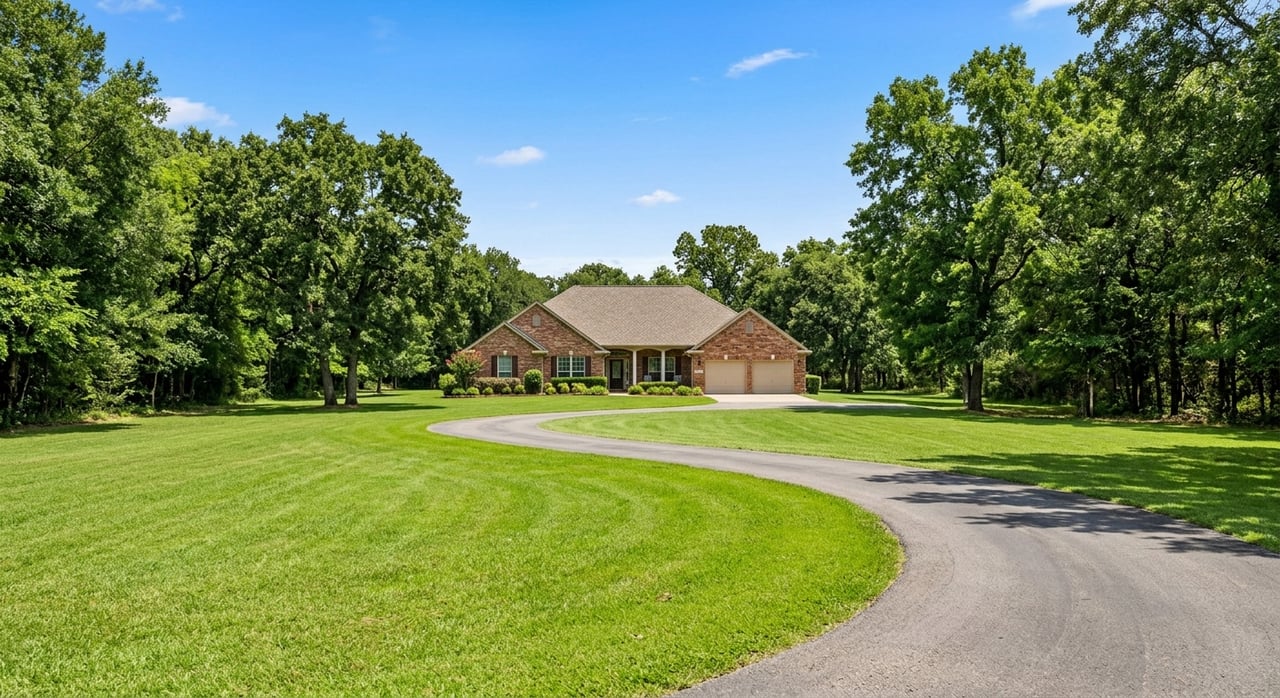
Edmond planning records show that the R-1 Rural Estate Dwelling district has a minimum lot size of 90,000 square feet, which is about 2.06 acres. In one fringe-acreage case, the city described 2-acre lots using water wells, septic tanks, and private streets because municipal water and sewer were more than one-quarter mile away.
This gives you a useful frame of reference when you look at acreage near Oak Tree. If a property sits on the edge of more developed areas, utility access and lot configuration can shape what is practical. Size alone does not tell the whole story.
Confirm legal access before closing
Access is one of the most important items to verify on any land purchase. Edmond’s buyer guidance highlights ownership searches, liens, restrictive covenants, easements, and land surveys as core due diligence items, and the Oklahoma County Assessor keeps ownership records for Edmond properties.
You want to know exactly how you get to the property and whether that access is legal, recorded, and usable. A long drive or private lane may look simple at first glance, but the survey and title work need to show that access clearly.
Private roads need special attention
Oklahoma law offers a helpful reference point for certain private-roadway setups in qualifying municipalities. The statute requires a 50-foot easement, a 2-acre minimum abutting lot size in the qualifying scenario, location more than one-quarter mile from municipal water and sewer, owner maintenance, and access for police, fire, and other official vehicles.
That does not mean every acreage tract near Oak Tree will fit that exact setup. It does mean private access should be reviewed carefully with the right professionals. If a property depends on a private road or easement, get clarity before you remove contingencies or close.
Review utilities early
One of the biggest differences between a house in a standard neighborhood and acreage near Oak Tree is utility service. If the parcel is on Edmond service, Utility Customer Service bills electric, water, wastewater, solid waste, and drainage on one monthly bill. The city also maintains more than 500 miles of water distribution and more than 450 miles of sanitary sewer collection infrastructure.
But some acreage properties may not connect to all public services. That is why it is so important to verify what is available now, what can be extended later, and what it may cost to make the site usable for your plans.
If the property needs septic
If a parcel is not on public sewer, the Oklahoma Department of Environmental Quality says a soil test and a Report for On-Site Sewage are required. After that, the process includes an Authorization to Construct and inspections.
DEQ also notes that homeowner maintenance is the key to avoiding system malfunctions and costly repairs. For you as a buyer, that means septic is not just a box to check. It is a system that affects placement, budget, and long-term upkeep.
If the property needs a private well
For private wells, DEQ recommends periodic testing, grading surface water away from the well, and keeping proper separation from septic systems, ponds, and buildings. DEQ also recommends maintaining the casing and the well seal.
If a tract relies on well water, ask questions early about the well location, condition, and maintenance history. You should also understand how the well and septic layout may limit where you can place future improvements.
Check drainage and floodplain issues
Drainage deserves attention from day one. Edmond offers an interactive floodplain and watershed map, and the city warns that floodplain location can limit improvements.
That point is easy to miss when a property looks dry on the day you tour it. On acreage, runoff patterns, low spots, and watershed issues can affect build sites, driveways, and future structures. If the lot has visible elevation changes or signs of runoff, dig deeper before moving ahead.
Know when drainage costs may apply
Edmond charges a drainage fee on developed residential lots inside city limits. While that may not be the deciding factor on its own, it is one more ownership cost to account for as you compare properties.
The bigger takeaway is simple: acreage can come with land-related costs that are less common in a standard neighborhood purchase. A realistic budget should include more than just the sales price.
Understand permits and building rules
If you plan to build a home, add an accessory structure, or make major site improvements, confirm the permit path early. Edmond currently uses the 2018 ICC code family, and residential permits cover new homes and accessory structures that are 200 square feet or larger.
There is also a stormwater piece to watch. DEQ requires stormwater permit coverage when one acre or more is disturbed. So if your project involves significant grading or construction, permit requirements may be broader than many buyers expect.
Consider tree rules and site constraints
Edmond’s tree-preservation ordinance requires at least 20% tree canopy and open space in new residential developments. The city also says existing subdivisions and lots under five acres are not affected, and tree-removal permits may be needed on unplatted or recently platted property.
For acreage buyers, this is another reminder that land is never just blank space. Trees, topography, drainage, and platting status can all influence what you can change and how much site work will be involved.
Budget for long-term ownership
Buying acreage often means taking on more ongoing responsibility than a typical homesite. Edmond’s buying guide says regular mowing and property maintenance are the owner’s responsibility and recommends budgeting for utilities, exterior care, property taxes, insurance, and liability coverage.
That does not mean acreage is the wrong fit. It simply means your monthly and seasonal costs may look different. The right property is one that matches both your vision and your willingness to maintain it.
Build the right professional team
Edmond’s buying guide recommends a land survey, environmental assessment, attorney review, and title work when buying land. On acreage near Oak Tree, that checklist often leads buyers to involve septic and well specialists, a builder or general contractor, and sometimes a drainage or floodplain consultant if the site has runoff or elevation concerns.
This is where strong representation matters. With acreage, the goal is not just to find a property. It is to ask the right questions in the right order so you can negotiate from an informed position.
A practical order for acreage due diligence
If you want a simple way to approach the process, focus on the issues local sources emphasize most often before closing or before removing contingencies.
- Verify zoning and whether your intended use fits.
- Confirm legal access, easements, and survey details.
- Check utility availability, including water and sewer.
- Review whether the site needs a well or septic system.
- Investigate drainage, floodplain, and runoff concerns.
- Understand permit and construction requirements.
- Budget for maintenance and long-term ownership costs.
Taking these steps in order can help you avoid expensive surprises. It can also help you compare multiple parcels more clearly, especially when two properties look similar at first glance but differ in access, utilities, or development limits.
If you are considering acreage near Oak Tree, having a local guide who understands Edmond land questions can make the process much smoother. When you are ready for a personalized strategy, reach out to Kathy Parker for expert, relationship-first guidance tailored to your goals.
FAQs
What should you check first when buying acreage near Oak Tree?
- Start by verifying zoning, legal access, utilities, drainage, and permit requirements, since Edmond and DEQ sources consistently emphasize these items.
Does acreage near Oak Tree always have city water and sewer?
- No. Some larger-lot properties may rely on wells and septic systems, especially in fringe areas where municipal water and sewer are more than one-quarter mile away.
How large can a rural estate lot be near Edmond?
- Edmond planning records show the R-1 Rural Estate Dwelling district has a minimum lot size of 90,000 square feet, or about 2.06 acres.
Do you need a septic inspection or approval for land in Edmond?
- If the parcel is not on public sewer, DEQ says a soil test and a Report for On-Site Sewage are required, followed by an Authorization to Construct and inspections.
Can floodplain issues affect acreage near Oak Tree?
- Yes. Edmond warns that floodplain location can limit improvements, so buyers should review drainage and floodplain conditions early.
What professionals help with an acreage purchase near Oak Tree?
- Common members of the team include a surveyor, title company, attorney, and, depending on the property, septic and well specialists, a builder or general contractor, and a drainage or floodplain consultant.