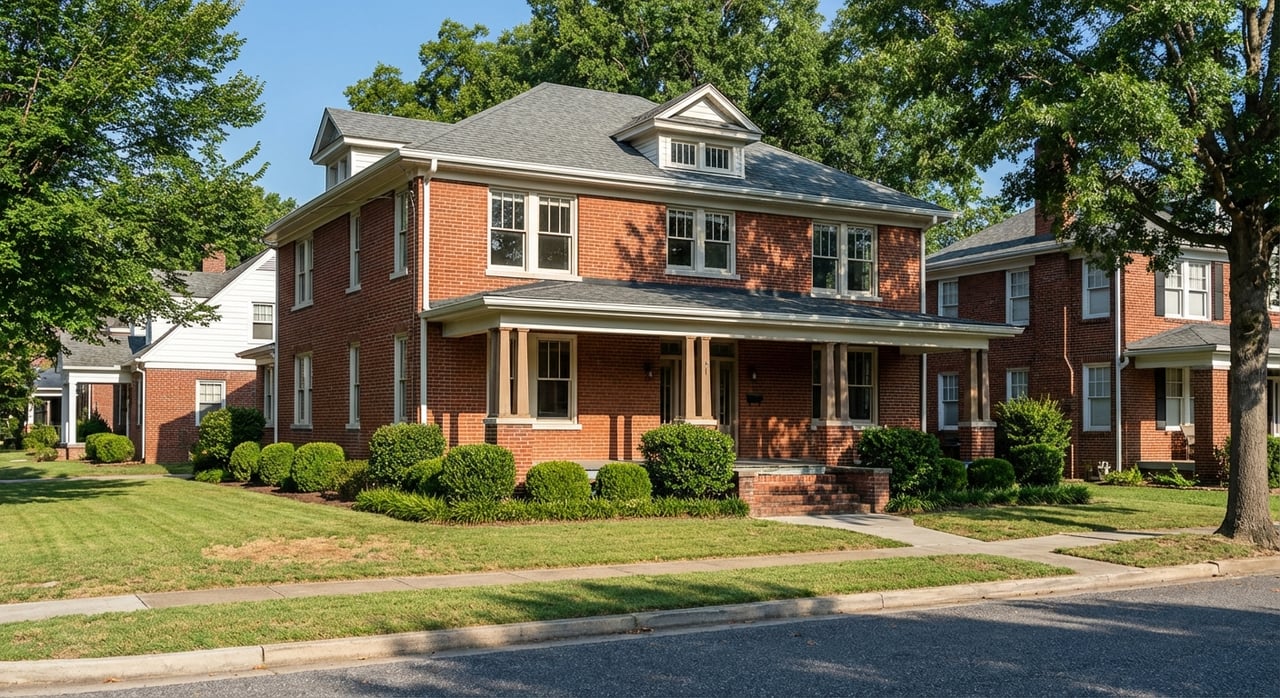
Love the idea of a storybook home with handcrafted detail, but still want a quick, easy lifestyle near downtown Oklahoma City? Heritage Hills gives you both. You get century-old architecture on leafy streets, plus short trips to Midtown, Uptown, and the central business district for dining, culture, and work. In this guide, you’ll learn what life looks like here, what to expect when buying and owning a historic home, and how local preservation rules work so you can plan with confidence. Let’s dive in.
Why Heritage Hills stands out
Heritage Hills is one of Oklahoma City’s earliest high-end neighborhoods and the state’s first local historic preservation district, established in 1969. A decade later, the area was added to the National Register of Historic Places. That legacy still shapes daily life, from its careful stewardship to the way residents care for homes and streetscapes. You can trace the story through neighborhood histories and tours that highlight the district’s evolution and architectural mix.
You’ll see a rare blend of styles within a few blocks. According to the neighborhood history, homes range from Châteauesque and Italian Renaissance to Neoclassical, Tudor Revival, Colonial Revival, Prairie School, Craftsman bungalows, Mission or Spanish Revival, and Dutch Colonial, with most built before 1930. This variety is part of what makes walking the area so memorable. Explore the neighborhood’s origins and design character through the Heritage Hills history overview.
Two landmarks help anchor the district. The Henry and Anna Overholser Mansion operates as a house museum, offering a tangible look at early Oklahoma City life. The Hales Mansion, another notable estate, is often referenced in local tours and stories.
Everyday convenience near downtown
Heritage Hills sits just north of downtown. Using landmark addresses as a reference, the Overholser Mansion on NW 15th is roughly 0.8 to 1.0 mile from the Oklahoma City National Memorial in the urban core. Depending on your route and pace, that can translate to about a 15 to 20 minute walk. Always confirm your exact route and timing with a mapping tool.
You are within easy reach of three active districts. Midtown is to the south, Uptown and the NW 23rd corridor are to the north, and downtown with Automobile Alley sits to the east. That mix gives you quiet residential streets paired with quick access to coffee, restaurants, theaters, and professional offices, as noted in the neighborhood’s own history.
Getting around without a car is more practical here than in many OKC suburbs. EMBARK runs the city’s buses and the modern streetcar, which loops through Midtown and downtown to improve car-free access to major stops. You can learn more about the system on the EMBARK overview.
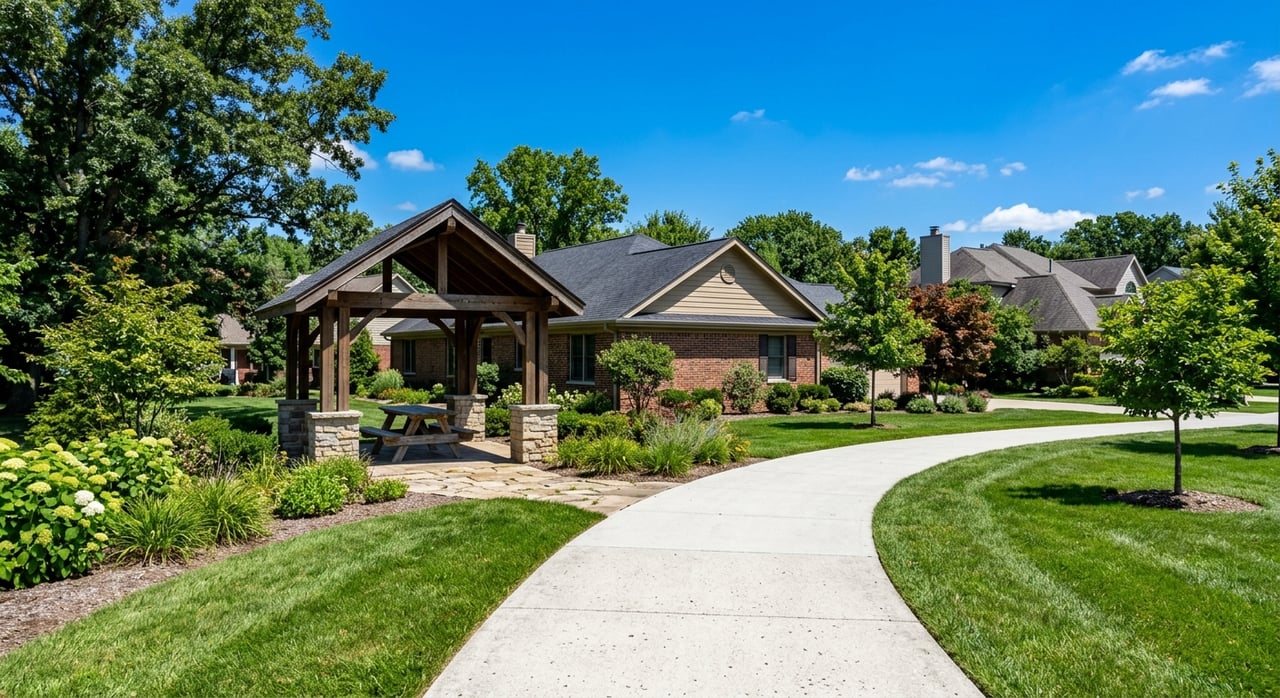
Green space adds to the day-to-day appeal. Heritage Hills includes small park parcels and benefits from nearby public spaces such as Perle Mesta Park, Winans Park on the eastern edge, and other landscaped areas documented in neighborhood materials. See a snapshot of local green spaces on the Heritage Hills parks page.
Schools and cultural anchors are part of the community fabric. Wilson School, an OKCPS arts-integration elementary with an active community support organization, sits nearby and is regularly cited as a neighborhood anchor. Explore more through the Wilson Arts support organization. Event-wise, the long-running Heritage Hills Home Tour draws visitors each year and supports local preservation efforts.
Everyday services are close at hand. Groceries and conveniences are a short drive or walk away in the Midtown and Uptown corridors, and major employment or medical hubs like SSM Health St. Anthony Hospital and the OU Health Sciences campus are minutes by car. For a quick orientation to grocery options, see this local roundup of grocery stores in Oklahoma City.
What it’s like to buy here
Homes in Heritage Hills range from modest early bungalows to grand mansions on generous lots. Public market snapshots consistently place the neighborhood among higher-value pockets in the metro. Restored homes with upgraded systems often command a premium because the stock of move-in-ready historic properties is limited. Treat any online estimate you see as a snapshot. You will want to review current MLS data for precise pricing and timing.
Buyers who choose Heritage Hills usually value design and history, and they like the central location for work or entertainment. When a well-cared-for home hits the market, competitive offers are common. If you are active in the search, be prepared to move quickly with a strong, clean offer and a plan for inspections.
Owning a historic home: what to expect
Buying a pre-1930 home means embracing character and craftsmanship, along with thoughtful care. Plan for both routine maintenance and selective upgrades that respect the home’s original fabric. The National Park Service provides practical guidance on how to repair and improve historic properties while preserving character. You can browse technical topics in the NPS preservation library.
Here are common items to evaluate and plan for:
- Roofing and gutters. Many homes have older roofs or original materials like clay, slate, or metal. Roof condition is a high-impact inspection item. Follow preservation best practices from the NPS technical guidance.
- Windows and exterior woodwork. Original wood windows and porches are character-defining. Where possible, repair and weatherize rather than replace to retain historic integrity. The NPS offers techniques for wood repair, glazing, and air sealing.
- Insulation and HVAC. Many older walls and attics were built before modern standards. Energy upgrades and HVAC replacements are common and can be done in a preservation-sensitive way using NPS briefs as a roadmap.
- Lead-based paint. For homes built before 1978, lead hazards are possible. Federal EPA Renovation, Repair and Painting rules require certified lead-safe practices when disturbing painted surfaces. Learn the basics in the EPA RRP guidance document.
- Electrical systems. Some houses still have very old wiring or undersized panels. You may need a licensed electrician’s evaluation and targeted upgrades to satisfy insurers and lenders.
- Plumbing and foundations. Original galvanized supply lines, cast-iron drains, or earlier foundation systems may need inspection and selective replacement.
Inspection strategy matters in historic homes. In addition to a standard buyer inspection, plan on specialty inspections like electrical, roof and chimney, pest and termite, sewer or drain line camera, and a lead assessment for pre-1978 properties. If you anticipate a larger project, involve a preservation-conscious architect or contractor who follows the Secretary of the Interior’s Standards and NPS briefs.
Insurance and financing deserve early attention. Older systems can affect underwriting, and some lenders require certain repairs as a condition of closing. Start the conversation with your insurer and lender during the option or inspection window so you can adjust timelines and budgets as needed.
Preservation rules and approvals
Heritage Hills is protected as a local historic preservation district. Historical Preservation, Inc. helps advocate for stewardship, and exterior changes usually require review through the City’s historic preservation process. Before planning a porch rebuild, window project, or addition, review neighborhood guidance and city requirements for approvals, often called a Certificate of Appropriateness. A helpful starting point is the neighborhood’s history and preservation overview.
If you are considering a larger rehabilitation, state and federal programs may apply in limited cases. The Oklahoma State Historic Preservation Office maintains information on the federal and state rehabilitation tax credits. These programs generally apply to certified historic, income-producing projects and require formal applications and reviews. Owner-occupied single-family homes typically do not qualify unless the project meets specific income-producing criteria. Get details directly from the OK SHPO tax credits page.
For projects aimed at preserving character while improving performance, use the NPS preservation library as your technical reference. Aligning your scope with these standards helps streamline reviews and keeps historic features intact.
Weekend highlights: how locals enjoy it
A simple Saturday can showcase what makes Heritage Hills special. Tour the Overholser Mansion for a deep dive into early OKC life, then walk to Midtown or Uptown for lunch. Spend the afternoon in Perle Mesta Park or nearby green spaces listed on the neighborhood parks page. In the fall, the Heritage Hills Home Tour invites you inside selected houses, offering a rare look at restoration approaches and design details.
Buyer checklist for Heritage Hills
- See the home in daylight and again after dark to gauge lighting, traffic, and curb appeal.
- Order a full home inspection, plus electrical and sewer scope, and test for lead if built before 1978.
- Verify local preservation and Certificate of Appropriateness requirements with the neighborhood and City.
- Ask the seller for records of past work, permits, and any historic-district approvals.
- Budget for both preservation-sensitive repairs and modern system upgrades.
Is Heritage Hills a fit for you?
If you love architectural detail, mature trees, and the idea of walking to dinner or a show, Heritage Hills delivers. You will balance charm with responsible stewardship, and you will want a plan for inspections, insurance, and any approvals. With the right guidance, you can enjoy the history, convenience, and long-term value this district offers.
When you are ready to explore current listings or talk through your goals, connect with Kathy Parker for a personalized consultation and a step-by-step plan tailored to you.
FAQs
What defines Heritage Hills in Oklahoma City?
- It is one of OKC’s earliest high-end neighborhoods and the state’s first local historic preservation district, later added to the National Register, with a rich mix of pre-1930 architectural styles described in the neighborhood history.
How walkable is Heritage Hills for daily life near downtown?
- The district is more walkable than many OKC suburbs and sits near Midtown, Uptown, and downtown, with EMBARK buses and the modern streetcar supporting car-free trips as outlined in the EMBARK overview.
What inspections should buyers prioritize for historic homes in Heritage Hills?
- In addition to a general inspection, add electrical, roof and chimney, pest and termite, sewer camera, and a lead assessment for pre-1978 homes, using the NPS technical briefs for preservation-minded planning.
Do exterior changes in Heritage Hills need approval?
- Yes, most exterior work requires review through the City’s historic preservation process. Start with the neighborhood’s preservation overview and confirm Certificate of Appropriateness steps before starting work.
Are there tax credits for restoring a Heritage Hills home?
- Historic rehabilitation tax credits in Oklahoma generally apply to certified historic, income-producing projects and require SHPO review. See eligibility details on the OK SHPO tax credits page.