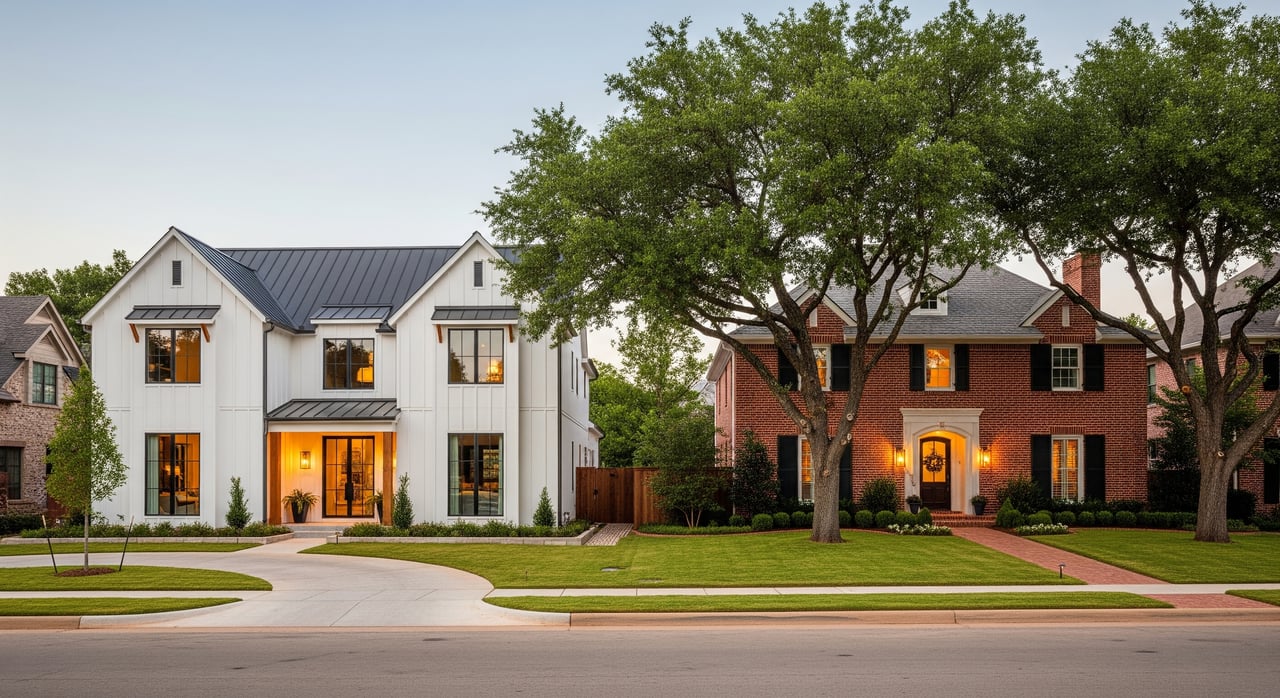
Torn between a brand-new build and a resale home in Edmond? You want the right space, the right timing, and a price that makes sense long term. This guide gives you a clear, local comparison of timelines, costs, warranties, neighborhoods, and financing so you can move forward with confidence. Let’s dive in.
Quick comparison: new vs resale
- New construction: more control over layout and finishes, modern systems, and a builder warranty. Requires more time and careful budgeting for upgrades and delays.
- Resale: faster move-in, mature neighborhoods, and established comparable sales. May need updates or repairs and has fewer customization options.
- Core tradeoffs: speed vs control, upfront cost vs long-term maintenance, and established neighborhood features vs early-phase community growth.
Timelines: what to expect
New construction timelines
- Spec or model homes: often 1 to 4 months if already underway.
- Production homes on released lots: commonly 4 to 9 months from contract to move-in.
- Custom homes: often 9 to 18 months or longer based on permits, materials, weather, and builder backlog.
Edmond builds can be affected by permitting, inspections, Oklahoma storms, supply chain issues, and phased amenities. Early in a master-planned community, roads and utilities may roll out in stages.
Resale timelines
- Typical contract to close: often 30 to 60 days, depending on your loan and negotiations.
- This path usually offers more predictable move dates.
What this means for your move
- If you must move by a set date, resale often fits best.
- For new builds, plan for contingencies like temporary housing or lease-backs in case of delays.
Warranties, inspections, and quality
Builder warranties at a glance
Most builders follow a form of a 1-2-10 warranty: about 1 year for workmanship, 2 years for systems, and 10 years for major structural items. Terms vary by builder, so confirm coverage, claim steps, and exclusions. Ask who performs warranty work and whether coverage is transferable.
Inspections still matter
- New construction: schedule independent inspections at key stages, such as pre-drywall and a final walk-through. A strong punch list helps ensure items are finished before closing.
- Resale: order a full home inspection, and add pest, roof, HVAC, sewer scope, or other targeted checks as needed. Plan for repair negotiations or credits.
Costs: upfront and ongoing
Upfront costs for new builds
- Base price plus upgrades and lot premiums, especially for larger or corner lots.
- Common add-ons: landscaping, window coverings, appliances, fencing, and utility connection fees.
- HOA setup fees can apply in new and master-planned communities.
Upfront costs for resale
- Purchase price plus any immediate repairs or updates you choose.
- Mature landscaping and appliances may already be in place, which can reduce early out-of-pocket costs.
Ongoing costs in Edmond
- Property taxes vary by county assessment. Oklahoma’s property taxes are generally lower than many states on a per-dollar basis, but verify locally.
- Insurance premiums can reflect Oklahoma weather risks like hail and tornadoes. Newer homes may qualify for discounts for modern construction or storm-resistant features.
- HOA dues and special assessments are more common in newer developments. Early phases may have developer control and fees to fund amenity buildout.
Appraisals and future value
- New subdivisions may lack comparable sales, which can complicate appraisals for financing.
- Resale homes have historical comps but may face value pressure if systems are outdated or maintenance is deferred.
- Long-term value ties to location, infrastructure, nearby amenities, and steady neighborhood growth.
Customization and finishes
Levels of choice
- Spec homes: limited changes, fastest among new builds.
- Production or semi-custom: pick a plan, finish packages, and select upgrades depending on build stage.
- Custom homes: full design control and higher flexibility, with more time and budget required.
Hidden costs to budget
- Popular upgrades, premium appliances, extended patios, and designer finishes add up.
- Do not forget blinds, landscaping, fencing, and sometimes driveway or sidewalk costs.
- Lot premiums can be significant, especially for size or views.
Neighborhood maturity and lifestyle
Infrastructure and amenities
Evaluate paved streets, sidewalks, lighting, drainage, and utility completion. In early phases, amenities like pools or clubhouses may come later. Review phasing plans and funding to understand when features will be usable.
Schools and boundaries
Edmond is primarily served by Edmond Public Schools, and parts of the area may fall into other districts. Attendance boundaries can change with new development. Verify current assignments and any planned school construction before you buy.
Commute and daily life
Your location within Edmond affects access to I-35, the Kilpatrick Turnpike, and major employment centers. Visit at different times to gauge traffic, noise, and parking patterns.
How to research a community
- Review City of Edmond planning and building records for plats, permits, and infrastructure timelines.
- Check county assessor data for parcel history and taxes.
- Look at local crime maps to understand area trends.
- Walk the neighborhood at different times to see activity and construction.
Financing and contracts
Loan paths
- Resale: conventional, FHA, VA, and USDA loans are common.
- New construction: may require a construction-to-permanent loan or a separate construction loan and end mortgage. These can involve larger down payments and stricter underwriting during the build.
- Some builders have preferred lenders. Compare offers and terms.
Contract terms to watch
- New builds: study change order policies, completion standards, timelines, financing contingencies, and any liquidated damages or default terms. Confirm what is included versus an upgrade.
- Resale: standard contingencies include inspection, appraisal, financing, and title. Repair credits or seller-performed repairs are common negotiation points.
Appraisal and lender requirements
New construction appraisals depend on current comps and builder pricing. Lenders may require updated appraisals at different stages of the build.
Who benefits most from each option
First-time buyers
You may prefer resale for speed, simpler decisions, and predictable timing. If you value new systems and energy efficiency, a spec or production home can still work well if your timeline is flexible.
Move-up buyers
You may want a specific layout, higher-end finishes, or larger lots. New construction offers control and fewer unknown maintenance costs. Resale can deliver character, established landscaping, and mature streetscapes.
A simple decision checklist
- How soon do I need to move?
- How much control do I want over layout and finishes?
- What is my tolerance for build delays or change orders?
- How important is a mature neighborhood and nearby retail today?
- What is my renovation budget if I go resale?
- How will HOA fees or future assessments affect my monthly costs?
- Which loan types am I eligible for right now?
How Kathy guides your decision
You should feel informed and confident at every step. With deep Edmond market knowledge and a counseling-informed approach, Kathy helps you compare neighborhoods, timelines, and total costs so the choice fits your goals.
Here is what you can expect:
- Clear timeline planning, including contingency strategies if you build.
- Upfront budgeting for total move-in cost, not just price.
- Inspection guidance for both new and resale, plus punch list support on new builds.
- Due diligence on HOAs, amenities, and development phasing so you know what is coming.
- Negotiation that focuses on value, whether that is builder concessions or repair credits.
When you are ready, connect for a focused plan that fits your timeline and budget. Schedule your consultation with Kathy Parker.
FAQs
What is the typical new construction timeline in Edmond?
- Spec homes can be 1 to 4 months, production homes often 4 to 9 months, and custom homes about 9 to 18 months or more depending on permits, weather, and materials.
Do new homes still need inspections?
- Yes. Independent inspections at key stages and a final walk-through help catch issues early. A builder warranty does not replace inspection value.
How do builder warranties usually work?
- Many follow a 1-2-10 pattern: about 1 year for workmanship, 2 years for systems, and 10 years for major structural items, with terms varying by builder.
What hidden costs should I expect with a new build?
- Common add-ons include upgrades, lot premiums, landscaping, window coverings, appliances, fencing, utility connection fees, and HOA initiation fees.
How can I verify school boundaries for a home in Edmond?
- Contact the relevant school district for current attendance maps and ask about planned boundary changes related to new development.
If I need to move fast, is resale easier?
- Often yes. Many resale transactions close within 30 to 60 days, while new construction can involve extended timelines and potential delays.