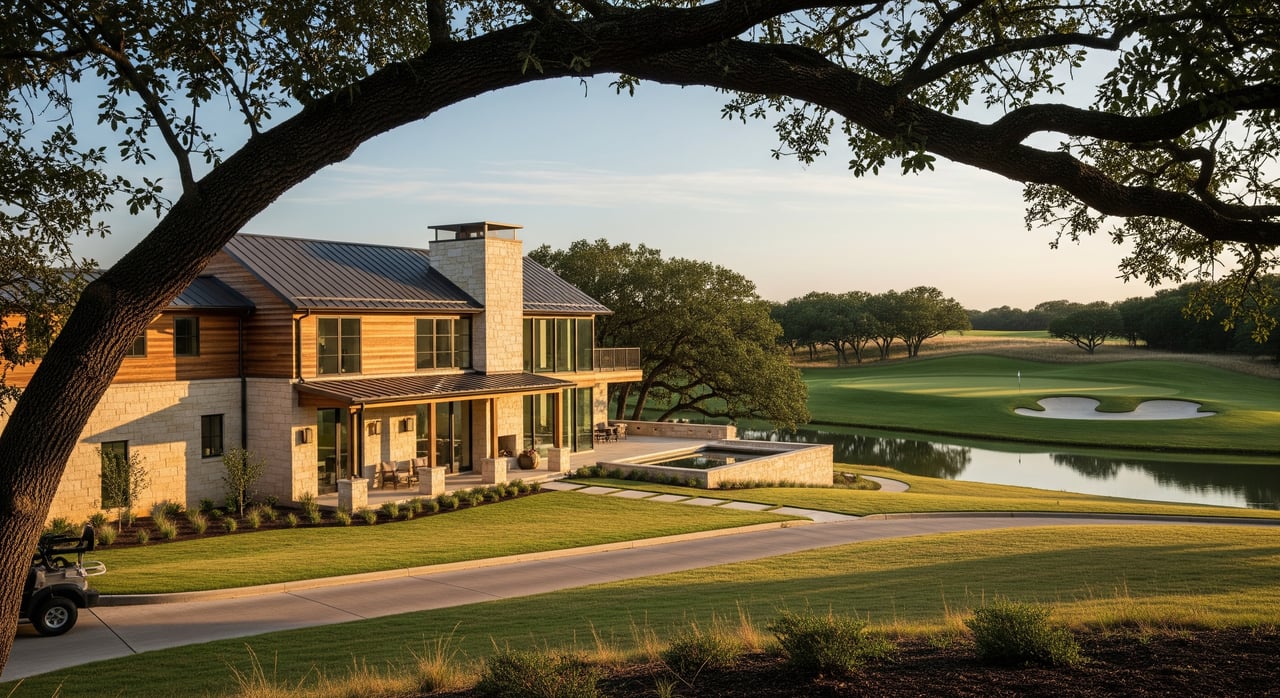
Is a golf course view in Oak Tree a long-term value play or just a nice lifestyle perk? If you are weighing a move-up purchase or planning a sale, you want a clear, local answer. The truth is, golf course homes can command a premium, sell faster, or perform about the same as similar homes off the course. It depends on a handful of factors you can measure. In this guide, you will learn what drives value in Oak Tree, what to check before you buy or list, and how to position a property for the best resale outcome. Let’s dive in.
What Drives Value in Oak Tree
Golf course adjacency is not a guarantee of higher value. Your results hinge on the local buyer pool, the supply of on-course homes, and how your lot interacts with the course.
Demand and resale comps
Start with local results, not national assumptions. Pull closed sales of comparable Oak Tree properties over the past 12 to 36 months. Compare golf course homes to nearby non-golf homes with similar size, age, and lot size. Track median sale price, price per square foot, sale-to-list ratio, and appreciation over time.
Supply and time on market
Check the number of active golf course listings. Then compare median days on market for golf vs non-golf homes. If supply is thin and buyer demand is steady, premiums and faster sales are more likely. If there are several similar golf homes sitting, pricing power may soften.
Lot Orientation and Views
Two homes on the same hole can perform very differently. Orientation, privacy, and exposure to play all matter.
Orientation and sunlight
Backyard orientation affects light, shade, and comfort. North- or south-facing patios can feel very different during Oklahoma summers. Note the sun path at different times of day, especially if you plan to use outdoor living spaces often.
Tee, green, and cart path
Proximity to tees and greens can be a plus or a minus. Some buyers love the action and framed views. Others worry about noise, privacy, and errant balls. Identify whether the lot backs to a cart path or a practice range, and ask about protective features like netting and fences.
Elevation and privacy
Slight elevation above the fairway can improve views and privacy. Flat lots closer to play can feel more exposed. Evaluate landscaping buffers and whether trees or plantings block the view or create maintenance needs.
Course and Community Quality
The course’s condition and long-term plans influence how well values hold up.
Course condition and projects
A well-maintained course with a steady capital plan supports home values. Ask about recent or planned renovations, irrigation upgrades, and how often the course completes improvements. Consistent investment is a healthy signal.
Course updates to watch
If there is a history of tournaments, upgrades, or notable design features, that can broaden appeal. On the other hand, deferred maintenance or financial stress at the course can weigh on buyer confidence. Review HOA communications and club updates to understand momentum.
Membership and Access
Membership rules shape your buyer pool. The broader and more attractive the membership model, the more potential demand for your home.
Membership structure matters
Find out if the club is private, semi-private, or public. Confirm whether memberships are transferable with a home sale. Note initiation fees, ongoing dues, guest policies, and any assessments. Mandatory membership can be a selling point for some buyers and a barrier for others.
Questions to ask
- Are memberships transferable with a home sale?
- Have initiation fees or dues changed in the last five years?
- What percentage of members are Oak Tree homeowners vs outside members?
- Are there planned capital projects or improvements on the horizon?
HOA Fees and Assessments
Holding costs matter to buyers. Clear, predictable fees support value. Surprise costs can erode it.
How dues affect value
Understand what your HOA dues cover and whether any portion supports the course. Review the last few years of dues history, and ask about reserve funding. Frequent special assessments or large planned increases can narrow your buyer pool.
Documents to review
- Current dues and any scheduled changes
- Recent special assessments and their purpose
- Reserve study and funded ratio
- Budget and notes on landscaping, irrigation, or shared maintenance
- Rules that affect exterior changes or fencing
Risks, Insurance, and Title
Environmental, insurance, and title details can impact both ownership costs and resale.
Flood and water features
Check FEMA flood maps and any water features near the lot. Ask who maintains ponds or drainage areas. Confirm whether any water restrictions impact irrigation or landscaping. If a pond or low-lying area is nearby, ask a local insurer how that might affect coverage or premiums.
Easements and disclosures
Confirm recorded easements for cart paths, irrigation, or maintenance. Note any protective netting or fencing rights and responsibilities. Keep a clear record of any golf-related damage or repairs. You should be ready to disclose this history to future buyers.
Lender and insurer checks
Some lenders and insurers may have specific requirements for homes adjacent to water features or in certain flood designations. Ask your lender and insurance agent about underwriting guidelines early in the process to avoid surprises.
Resale-Friendly Upgrades
Smart upgrades enhance the view, reduce maintenance, and protect privacy.
Preserve and frame the view
Trim trees and shrubs to open the fairway sightline without sacrificing privacy. Consider thoughtful landscaping that screens cart paths while keeping the green in view. If glass is worn or pitted from ball strikes, repair or replace it before listing.
Outdoor living that sells
Create usable, shaded outdoor spaces oriented to the course. Simple, high-quality features like a covered patio, seating wall, or low-profile fire feature can elevate the experience. Keep finishes neutral to appeal to a wider range of buyers.
Quiet, durable windows and fences
Invest in quality windows and doors for sound reduction and energy efficiency. Maintain fences and gates so they look clean and sturdy from both the house and the fairway. Durable materials can reduce long-term upkeep concerns for buyers.
Pricing and Marketing Strategy
Treat the golf view as a feature, then prove its value with data.
Build a tight comp set
Pair your home with non-golf comps that match size, age, finish level, and lot size. Then add on-course comps that match view quality and orientation. Track sale-to-list ratio and days on market to gauge how buyers respond to similar homes.
Position the lifestyle
Show how the home lives: sightlines from the kitchen and living room, privacy on the patio, and traffic during peak play hours. Use professional photography and video to capture the view and outdoor spaces. Provide clear details on dues, memberships, and improvements so buyers can make informed decisions.
Oak Tree Value Checklist
Use this quick checklist to assess a golf course home’s potential value:
- Demand: Compare 12 to 36 months of golf vs non-golf comps.
- Supply: Count active golf course listings and recent absorption.
- View quality: Note orientation, elevation, and proximity to tees/greens.
- Privacy: Evaluate cart paths, practice areas, and buffers.
- Course condition: Ask about recent and planned improvements.
- Membership: Confirm type, transfer rules, initiation, and dues.
- HOA: Review dues, assessments, reserve study, and budget notes.
- Risk: Check flood zones, water features, and maintenance responsibilities.
- Title: Verify easements, netting/fencing rights, and disclosures.
- Insurance and lending: Ask about underwriting for ponds or flood designations.
- Prep: Plan view-friendly landscaping, fence repairs, and window fixes.
- Pricing: Build a comp set by size, age, finish, and view orientation.
When Golf Views Add Premium
Not every fairway backdrop adds value the same way. Here is how buyers often react.
Scenarios that often help
- Broad fairway or green-to-tee vistas with good privacy.
- North- or south-facing patios that feel usable in peak heat.
- Slight elevation above play with minimal cart path visibility.
- A course with consistent maintenance and clear capital plans.
Scenarios that can hurt
- Direct adjacency to a tee box or practice area that increases noise.
- Frequent errant balls or visible netting that signals risk.
- High or unpredictable dues and special assessments.
- Signs of course decline or uncertain long-term plans.
Next Steps
If you plan to buy, assemble your comp set, confirm membership terms, and walk the lot at different times of day. If you plan to sell, tune up the view, gather HOA and club documents, and price with both golf and non-golf comps. A clear, data-first approach helps you avoid assumptions and capture the lifestyle premium when it is there.
When you are ready to evaluate a specific Oak Tree property or craft a targeted listing plan, connect with Kathy Parker for a personalized, numbers-forward consultation.
FAQs
Do golf course homes in Oak Tree sell for more than similar homes off the course?
- It depends on local demand, supply, and view quality; compare 12 to 36 months of MLS-backed comps for price, days on market, and sale-to-list ratio.
What should I look for in lot orientation for an Oak Tree golf home?
- Note sun exposure, proximity to tees/greens, cart paths, and elevation; aim for a view that balances sightlines with privacy and comfort in summer heat.
Are there hidden costs with Oak Tree golf course homes?
- Review HOA dues, recent and pending special assessments, and club initiation and annual fees; higher recurring costs can reduce the buyer pool and net return.
How do course changes impact my home’s value in Oak Tree?
- Consistent maintenance and planned improvements support value; deferred projects or unclear finances can weaken buyer confidence, so request updates from the HOA and club.
What insurance or lending issues should I consider near fairways or ponds?
- Confirm flood designations, pond maintenance responsibility, and any underwriting requirements; ask your lender and insurer about coverage and conditions early.
Which upgrades help an Oak Tree golf course home resell well?
- Trim landscaping to open views, refresh fencing, invest in quality windows/doors, and create comfortable outdoor living spaces with neutral finishes for broad appeal.